
Die Brücke: The Birth of Modern Art in Germany
This movement marks the beginning of modern art in Germany. It is the German equivalent of French Fauvism, from which it draws its main inspiration, but it carries an Expressionist and social emphasis that is characteristic of Nordic 'angst.' The artists of Die Brucke were restless creatures, over-sensitive, haunted by religious, sexual, political or moral obsessions. Dramatic landscapes and nudes, mystical and visionary compositions, scenes of the countryside, the streets, the circus, the cafe-dansants and the demi-monde were their principal subjects. Their pure colours blaze in acid stridency, encompassed by rough, dry contours which show the influence of African art and primitive woodcuts. The work of the following is shown: Kirchner, Fritz Bleyl, Erich Heckel, Schmidt-Rottluff, Otto Muller, Emil Nolde and Max Pechstein.
PlayMore Like This
1/57: Experiment with Synthetic Sound (Test)
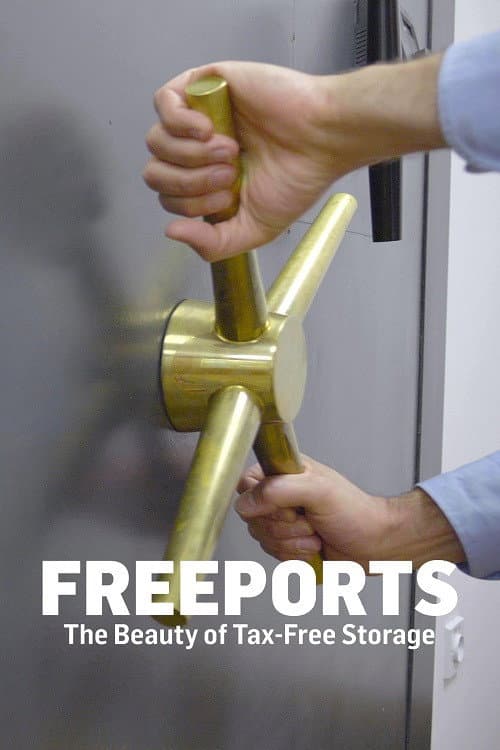
Freeports: The Beauty Of Tax Free Storage
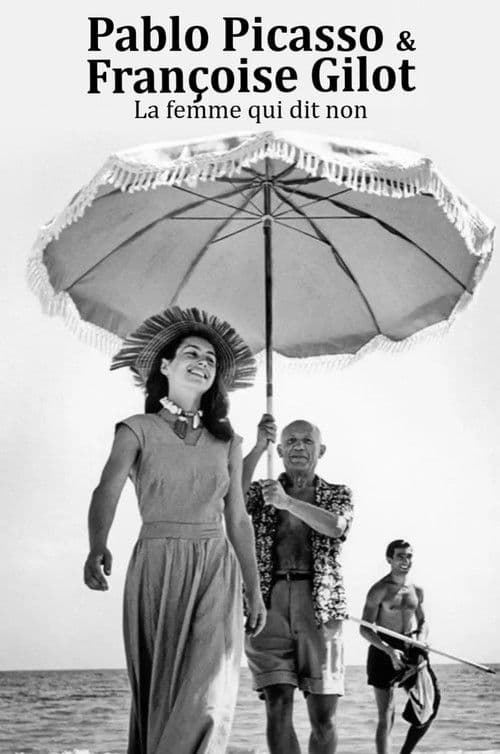
Pablo Picasso et Françoise Gilot : la femme qui dit non
Seeking The Lost Paradise
Nejstarší umění
Aleš I.
Aleš II.
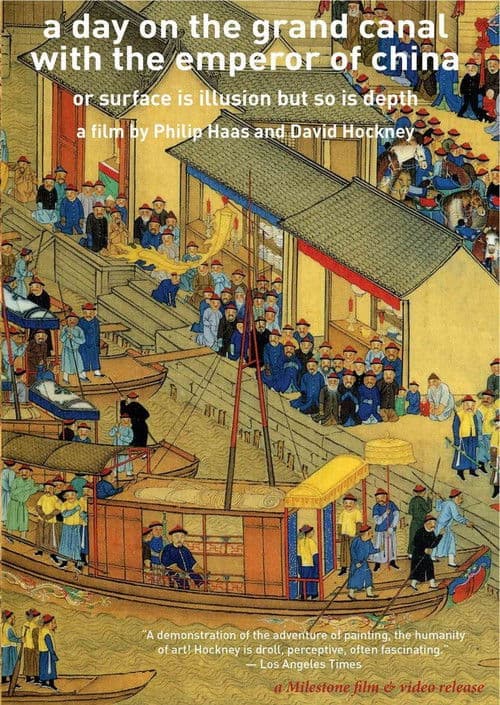
A Day on the Grand Canal with the Emperor of China or: Surface Is Illusion But So Is Depth
Magicians of the Earth: Kings of the Water
Meat Joy
Freeze: But is it Art?
Kokoschka: Work and Life